Primary investigator
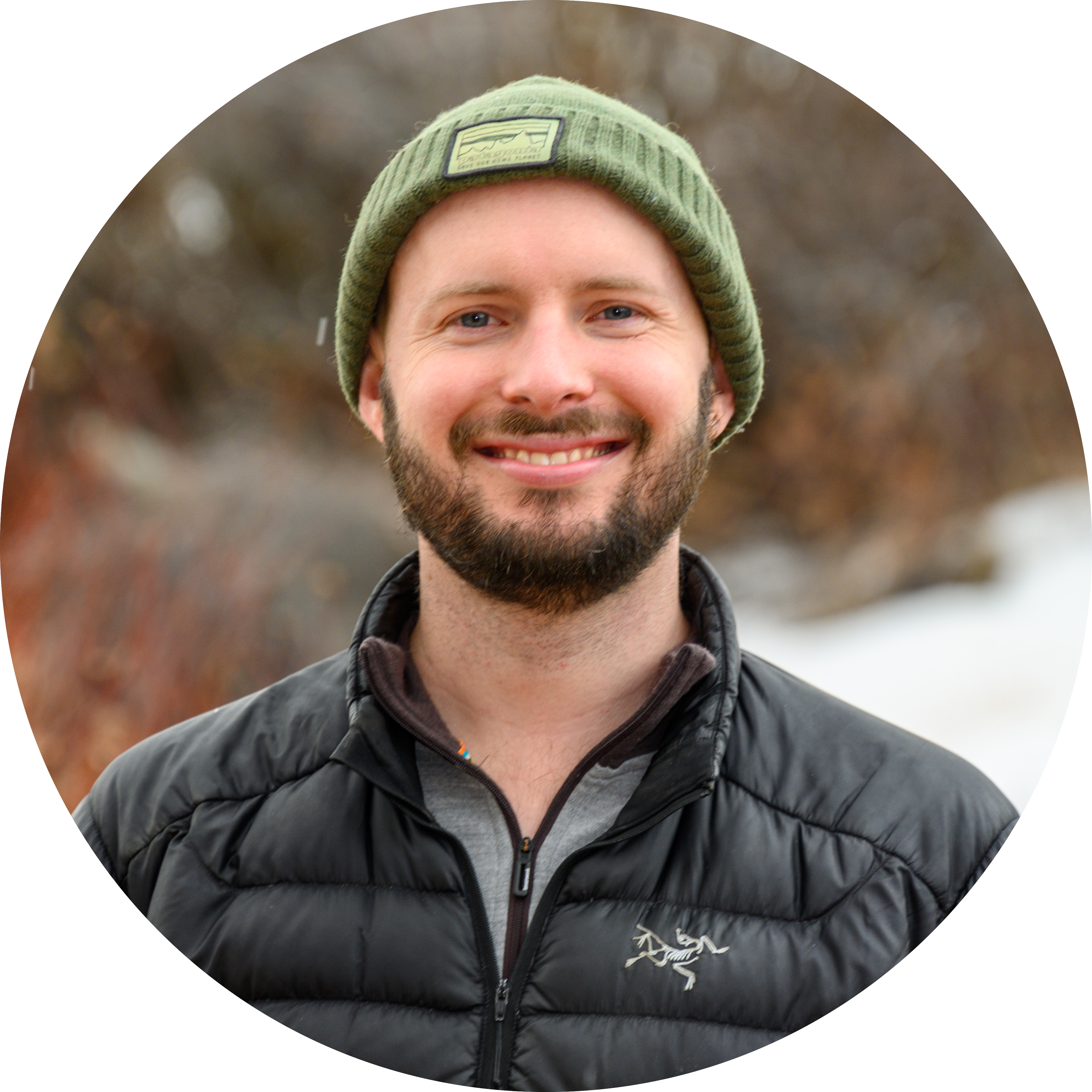
Liam Berigan,
Ph.D.
Graduate students
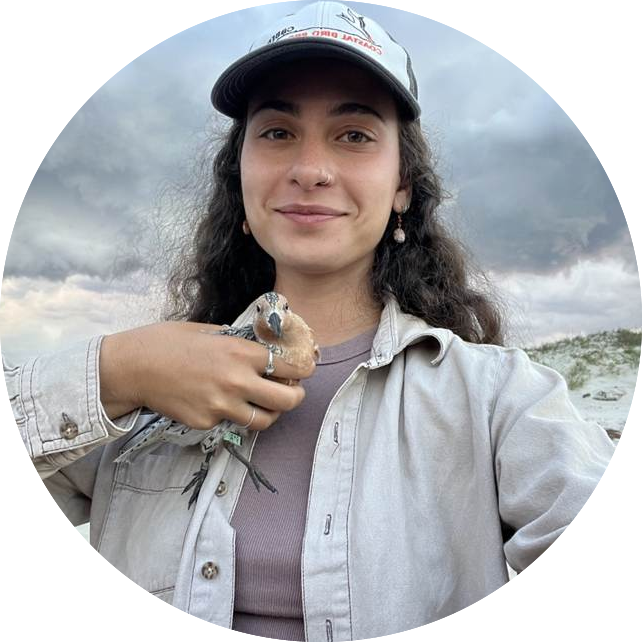
Rachel
Brodman
Rachel Brodman is a New York native and earned her B.S. in
Environmental Biology at SUNY ESF in 2022. Following her passion for
applied conservation projects, she has worked with a host of imperiled
birds including Florida grasshopper sparrows, Hawai’ian honeycreepers,
and various shorebirds from the coastal Southeast to the Pacific
Northwest and Farallon Islands. Rachel is excited to begin her MS
project investigating avian response to grassland restoration in
Alabama’s Black Belt Prairie. In her free time, Rachel enjoys reading,
photography, playing board games, and spending as much time outside as
possible hiking, camping, and birding. Rachel will start her degree
in Spring 2027.
Friends of the lab
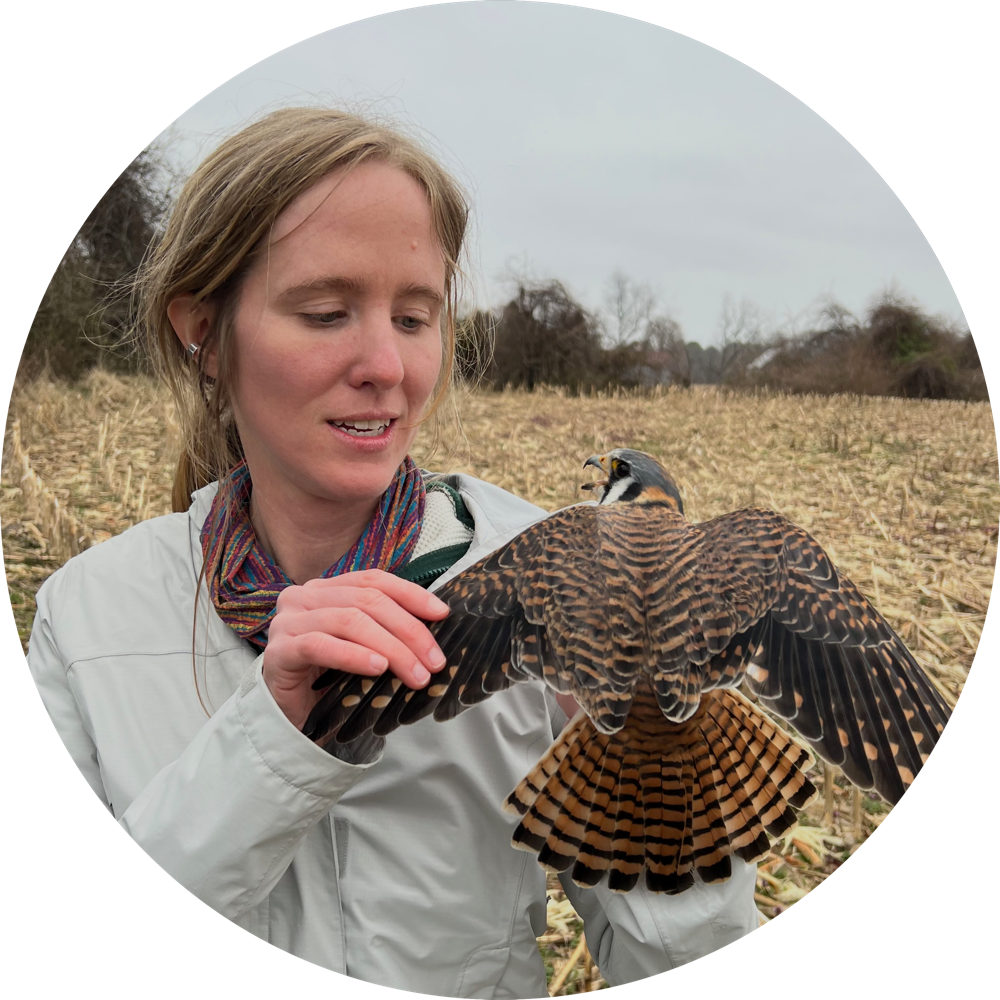
Meredith
Lewis
Meredith Lewis is currently a PhD Candidate at the University of
Delaware where she studies migration ecology across scales using a
combination of weather surveillance radar and automated recording units.
Her broad research interests encompass bird migration, community
ecology, and avian ecology and conservation throughout the annual cycle.
Previously she investigated rail migration using the Motus Wildlife
Tracking System and she continues to contribute to bird research in the
mid-Atlantic. An experienced bird bander across diverse avian taxa,
Meredith has helped lead multiple banding operations and contributed to
bander education on passerine molt and aging. Meredith helps manage
banding permits for the lab and is a frequent collaborator on field
projects.
Email: merlewis@udel.edu